What is Lip Neutralisation?
Lip neutralisation is a corrective treatment designed to rebalance underlying lip tones that appear cool, grey, blue, or uneven. Rather than adding cosmetic colour or saturation, the focus is on restoring warmth and balance through controlled pigment placement that works with the existing lip tone.
Because neutralisation interacts with pigment already present in the lips, results develop gradually as the skin heals and the colour settles. This process often requires a measured, case-by-case approach rather than a single-session transformation.
For this reason, lip neutralisation is only recommended following an individual assessment to ensure it is the most appropriate treatment and that expectations are aligned from the outset.
Lip neutralisation differs from cosmetic lip blush treatments, which focus on colour enhancement rather than correction.
Learn how undertone impacts healed colour in the Lip Neutralisation vs Lip Blush guide.
Who Lip Neutralisation Is Suitable For
Lip neutralisation may be suitable for individuals who have underlying tones in the lips that appear cool, grey, blue, or uneven, often as a result of previous pigmentation, natural lip colour, or healed cosmetic treatments.
You may be a suitable candidate if:
Your natural lip tone appears muted, cool, or uneven
Previous lip treatments have healed with an ashy or grey undertone
You are seeking correction rather than visible colour enhancement
You understand that results develop gradually over more than one session
Lip neutralisation may not be suitable if:
You are looking for immediate cosmetic colour or saturation
You expect a single-session transformation
You prefer bold or lipstick-style results
Every neutralisation treatment begins with an individual assessment to ensure the approach is appropriate and expectations are realistic.
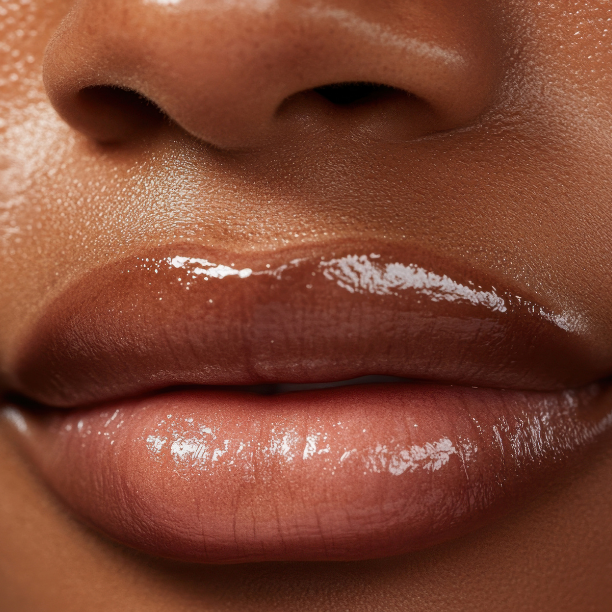
Lip Neutralisation Treatment in Beaconsfield
Corrective pigment balancing for uneven or cool-toned lips
The Lip Neutralisation Process
Lip neutralisation is carried out in a controlled and measured way, with each step guided by the existing tone of the lips and how the skin responds to pigment.
The Lip Neutralisation Process (Step-by-Step)
1) Consultation & Undertone Assessment
We assess your lip tone (cool, purple, brown or mixed undertones), depth of pigmentation, and overall lip structure. This determines whether you need one correction session or a staged approach.
2) Session One – Colour Correction (2.5–3 hours)
The first appointment focuses purely on neutralising darker or cooler tones using carefully selected warm modifiers. The goal is balance - not final colour.
3) Healing Phase (6–8 weeks)
During healing, colour will soften and settle. Some areas may lift more than others depending on how your lips hold pigment. This is normal in corrective work.
4) Session Two – Refining & Building (Most Clients Require This)
The majority of clients require at least two sessions to achieve even balance. At this stage we refine any areas that need additional correction and, if the base is ready, begin introducing the desired tone.
5) Additional Sessions (If Needed)
In cases of deeper pigmentation, 3 sessions may be required to achieve optimal correction. This is discussed honestly at consultation - I will never over-treat or under-promise.
If you're unsure whether you need lip neutralisation or standard lip blush, book a consultation and I’ll advise you clearly based on your starting tone and what is realistically achievable.

Healing, Sessions & Expectations
Lip neutralisation outcomes are assessed based on balance and tone correction over time rather than immediate visible change. Because the treatment works with existing pigment and natural lip tone, results are reviewed progressively as part of an individual treatment plan rather than judged immediately after a session. Healing stages are outlined in the Lip Blush Healing Timeline.
Treatment note:
Lip neutralisation is a corrective process. Improvement is assessed across sessions rather than immediately after treatment. This measured approach protects the integrity of the lips and reduces the risk of overcorrection.