Lip Blush Healing Timeline
Lip blush healing happens in stages. Understanding what is normal at each point prevents unnecessary concern and allows the lips to settle naturally.
The appearance of the colour will change during healing before revealing the final softened result.
Day 1: Immediately After Treatment
The colour will appear stronger and more defined than the final healed result. Mild swelling is common and typically settles within 24–48 hours.
The lips may feel tight or slightly warm. This stage reflects temporary surface saturation and inflammation, not the final tone.
The intensity seen on Day 1 is expected and softens as healing progresses.
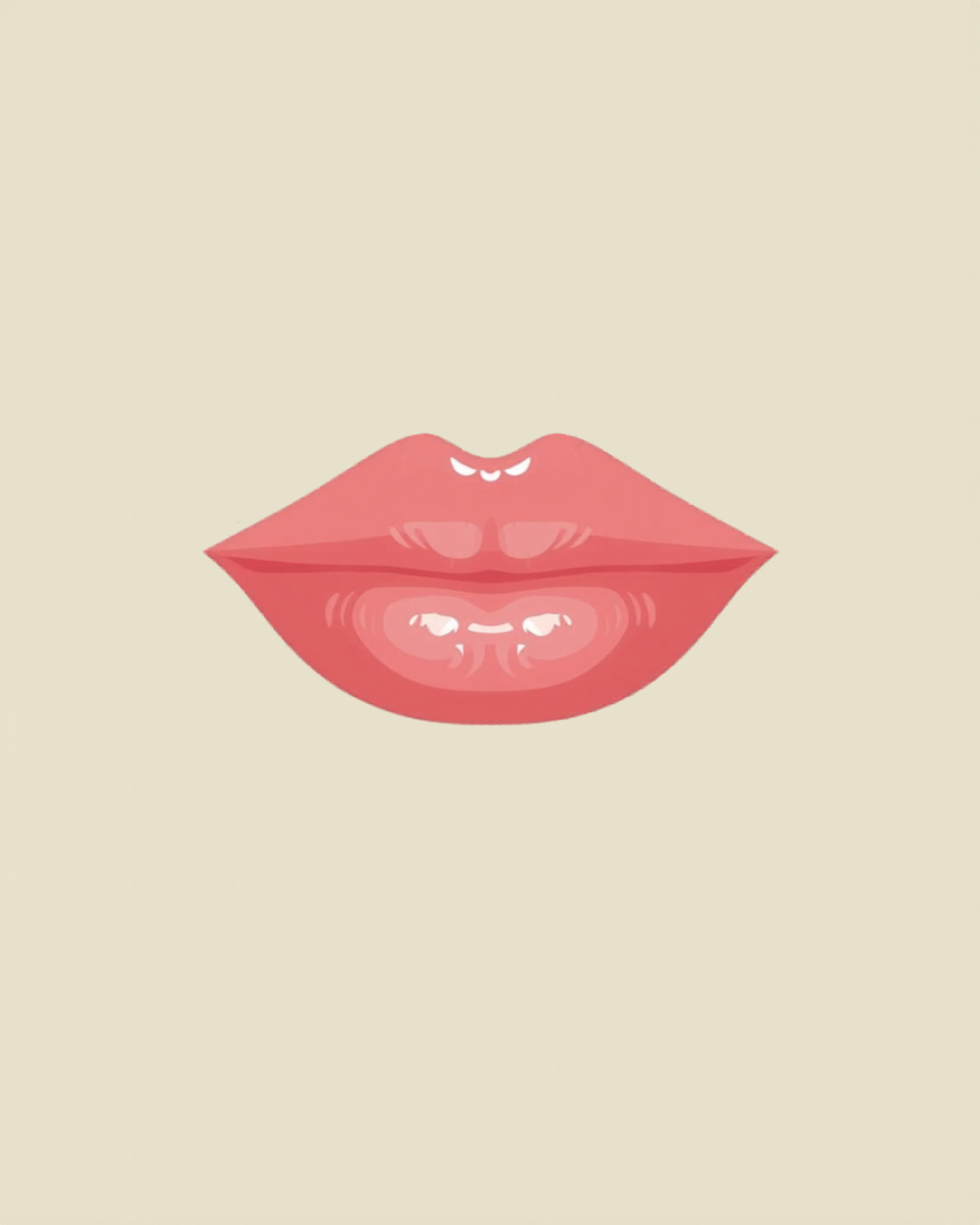
Days 2–4: Settling and Tightness
Swelling begins to reduce during this stage, although the colour may still appear bold. The lips can start to feel dry or tight as the surface layer renews.
This dryness is part of the natural healing process. Gentle aftercare and hydration support even recovery.
The tone is still settling and does not yet represent the final healed shade.
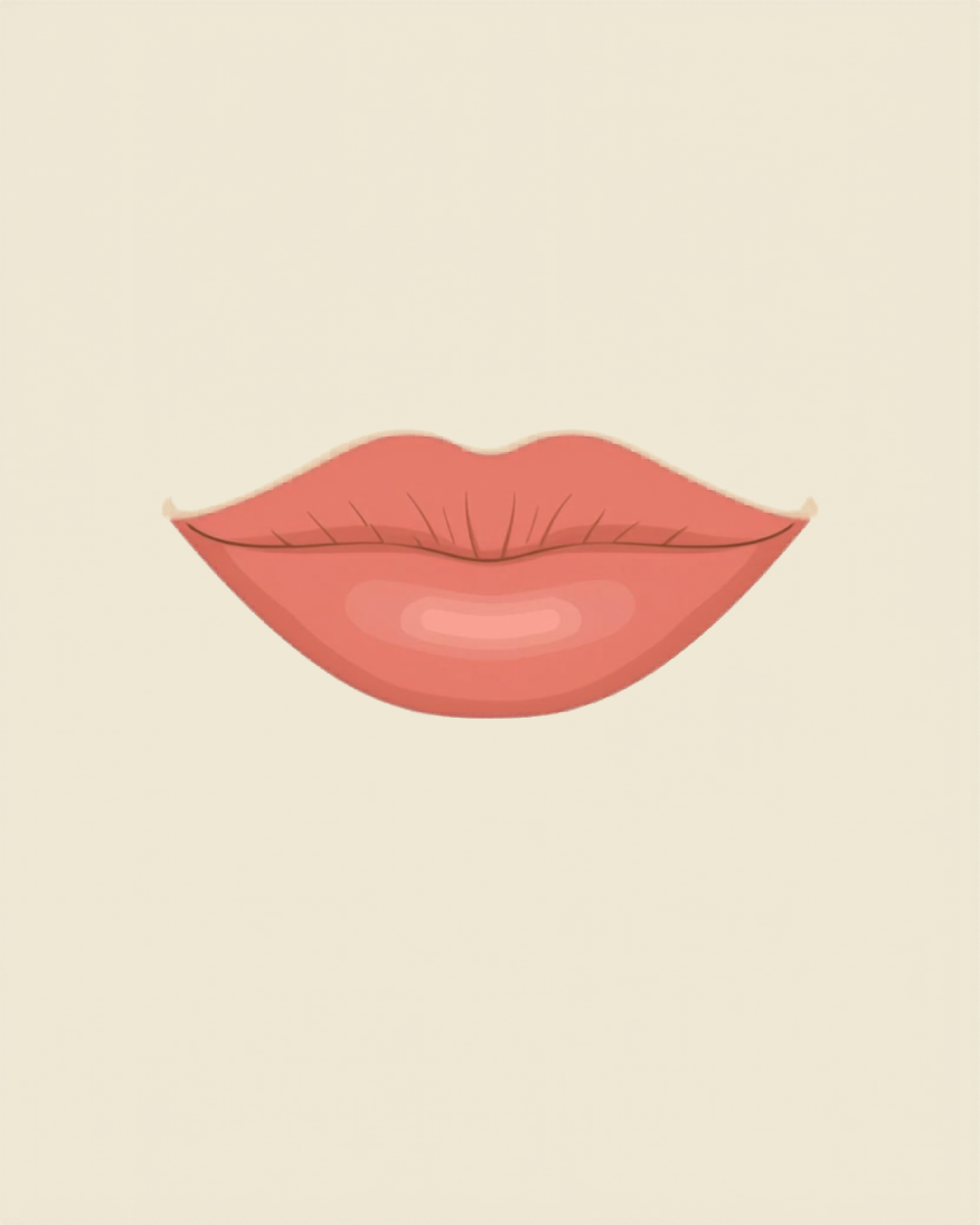
Days 4–7: Surface Renewal
Light flaking may occur during this stage as the outer layer of skin renews. The colour can appear slightly uneven or lighter than expected.
This is temporary. As the surface completes its renewal, the lips begin to rebalance and soften.
Unevenness at this stage does not reflect the final healed result.
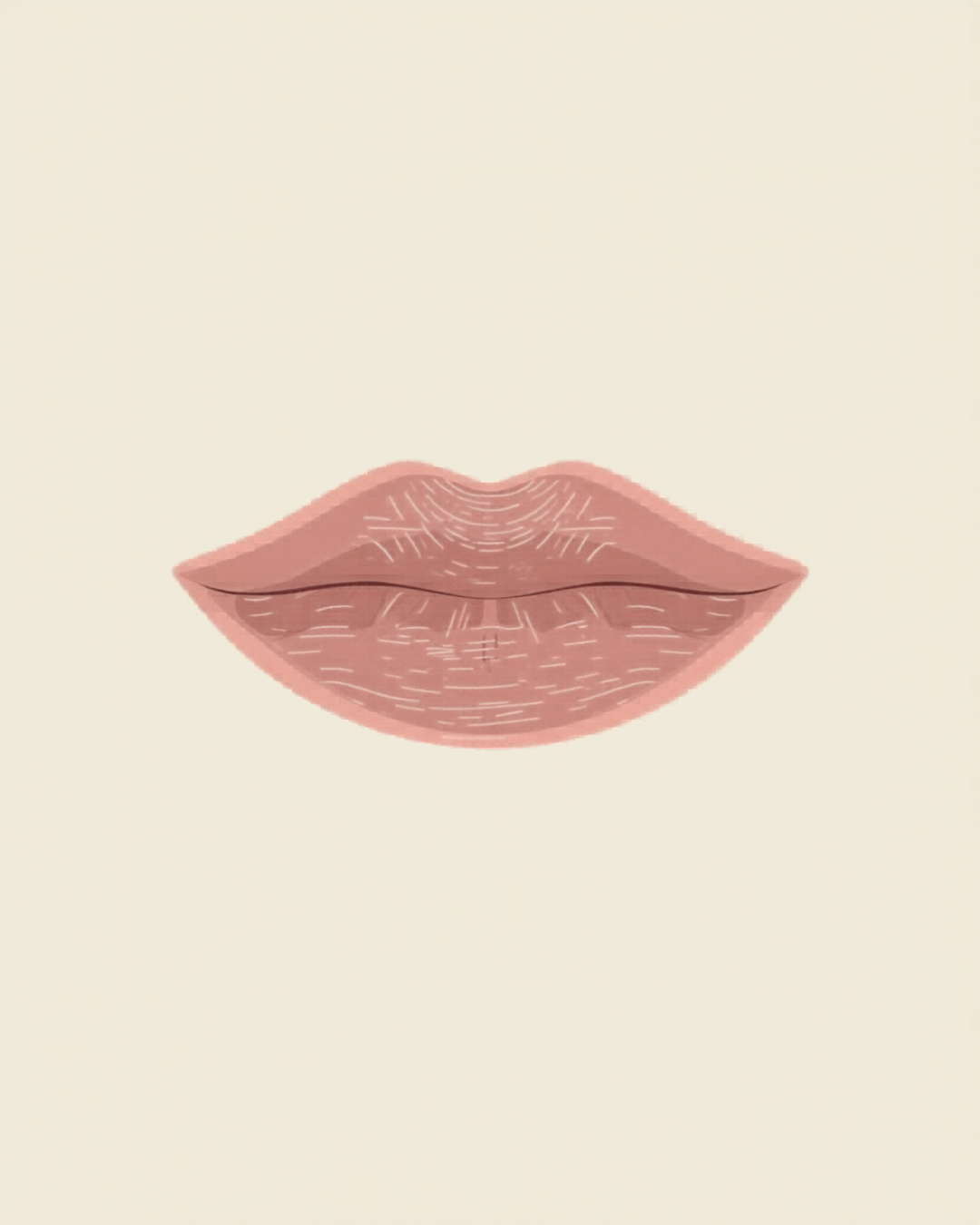
Weeks 2–4: Colour Settling
By this stage, surface healing has completed and the lips no longer feel dry or tight. The colour typically appears softer than it did immediately after treatment.
As pigment stabilises beneath the surface, tone becomes more balanced. In some cases, definition along the natural border may appear slightly more visible.
This variation is normal. Between 4–6 weeks, the true healed shade and structure can be accurately assessed for refinement.
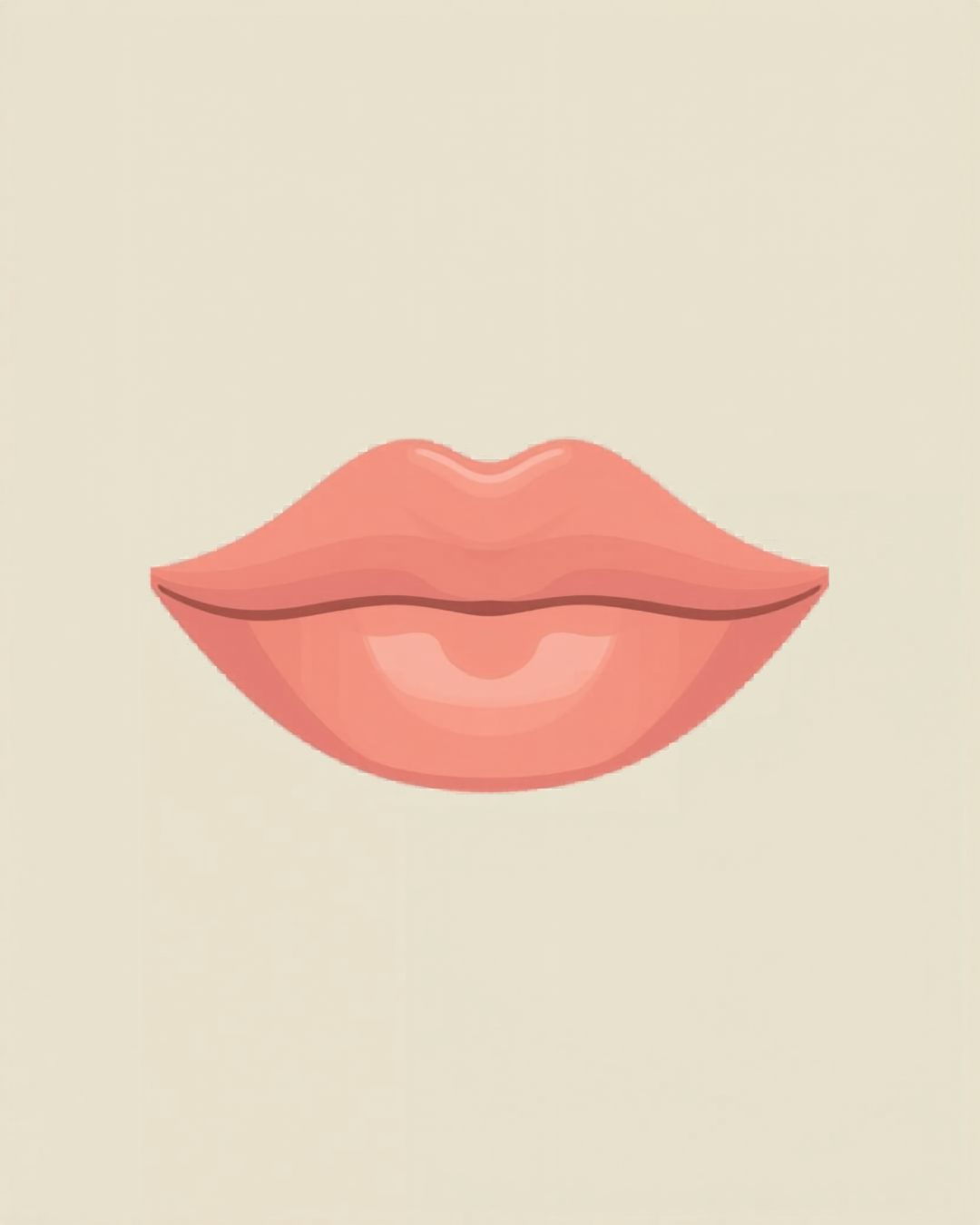
6–8 Weeks: Fully Healed and Ready for Review
By 6–8 weeks, the lips have fully stabilised. The colour has settled into its true healed tone and the structure can be accurately assessed.
Any areas that healed lighter or slightly stronger can now be refined if needed. This timing allows adjustments to be made safely, once the tissue has completely recovered.
At this stage, the result should appear soft, balanced, and natural in everyday lighting.
Healing After Neutralisation
When neutralisation has been performed, the early healing stages may appear slightly warmer in tone. This is expected, as corrective pigments are designed to balance cooler undertones.
As healing progresses, warmth softens and blends with the natural lip colour. The overall timeline remains the same, although colour shifts may feel more noticeable during the settling period.
Final assessment still takes place once the lips have fully stabilised at 6–8 weeks.